The Grave Complex of Dasongshan Site
Introduction
The grave complex of Dasongshan site, located in the Gui'an New Area of Guizhou province, is a significant archaeological treasure that spans from the Western Jin Dynasty (265-316) through to the Ming Dynasty (1368-1644). This site stands as a testament to the long history and cultural evolution of Southwest China. Its discovery and subsequent excavations have provided archaeologists with invaluable insights into the diverse ethnic groups and their ways of life over a millennium. The site is part of China's "Top 10 New Archaeological Discoveries of 2022", showcasing its importance in the national archaeological narrative.
History
The history of the Dasongshan grave complex is intertwined with the dynastic changes that occurred in China from the Western Jin to the Ming Dynasty. Each era left its mark on the site, with burial practices reflecting the socio-political and cultural shifts of their respective times. The Western Jin Dynasty was marked by its efforts to consolidate power amidst regional fragmentation, influencing the burial customs seen in the early graves at Dasongshan. As time passed, the site continued to evolve, reflecting the influences of successive dynasties like the Tang (618-907), Song (960-1279), and eventually the Ming Dynasty. These transitions are evident in the diverse artifacts and grave goods found at the site, depicting a rich history of intercultural interactions and evolutions.
Archaeological Discoveries
Excavation Process
The excavation of the Dasongshan grave complex has been a meticulous process, undertaken by a team of archaeologists dedicated to uncovering the site's historical significance. The process began with careful surveying and mapping of the area, followed by systematic excavation. Advanced archaeological techniques were employed to ensure the preservation of delicate artifacts and to accurately document the stratigraphy of the site. Throughout the excavation, archaeologists prioritized maintaining the integrity of the site while uncovering its buried treasures. This methodical approach has enabled researchers to construct a detailed chronology of the site's use and development over the centuries.
Key Findings
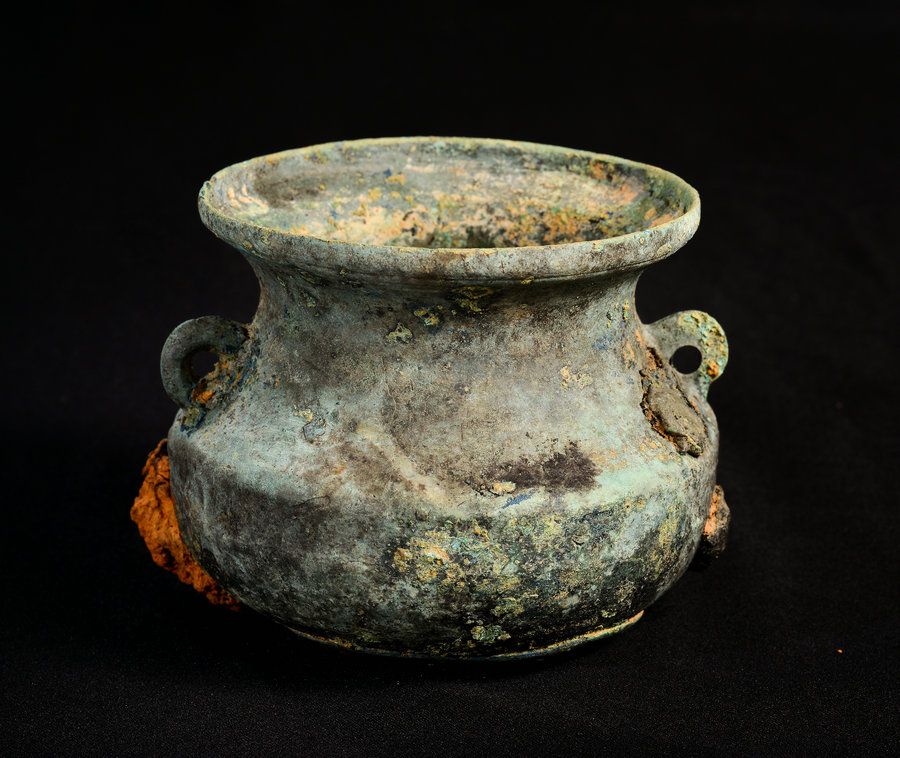
The key findings from the Dasongshan site have shed light on the burial practices and daily lives of the region's inhabitants. Among the most notable discoveries are the grave goods, which include pottery, tools and ornaments that reflect the influences of various dynasties and ethnic groups. These artifacts provide evidence of trade and cultural exchanges that occurred over the site's extensive usage period. Additionally, the architecture of the graves themselves offers insights into the evolving funerary practices and social hierarchies of the time. These findings have been instrumental in piecing together a comprehensive picture of the historical and cultural landscape of Southwest China.
Cultural Significance
The cultural significance of the Dasongshan grave complex is profound, as it serves as a benchmark for archaeological studies in the region. The continuity of the burial site from the Western Jin to the Ming Dynasty illustrates the enduring traditions and adaptations of the region's inhabitants. The site offers a unique glimpse into the daily lives and spiritual beliefs of various ethnic groups, contributing to a greater understanding of the cultural diversity and historical development of Southwest China. The Dasongshan site not only enriches the narrative of Chinese history but also underscores the importance of preserving cultural heritage for future generations.
Preservation Efforts
Preservation efforts at the Dasongshan site have been imperative to safeguard its archaeological and cultural value. These efforts include ongoing conservation work to protect the integrity of the graves and artifacts from environmental and human-induced degradation. The site has also become a focal point for educational and cultural initiatives, aimed at raising public awareness of its historical importance. Collaboration with local and national heritage organizations ensures that the preservation strategies are both effective and sustainable, allowing the site to remain a valuable resource for research and cultural enrichment.








